



A sacroiliac (SI) joint injection—also called a sacroiliac joint block—is primarily used either to diagnose or treat low back pain and/or sciatica symptoms associated with sacroiliac joint dysfunction.
90772 Subcu or intramuscular injection is considered a component of infusion codes and will require modifier 59 Codes 90760, 90765, 96401, 96402, 96409, 96413 + 90772 = Modifier 59 17 Here are some additional services you may want to include. Step 1: Set Up Medication Step 1: Set Up Medication Wash your hands—Centers for Disease Control and Prevention recommendations. It is important to begin by washing your hands thoroughly to prevent.
Watch:Sacroiliac Joint Steroid Injection Video
The sacroiliac joints lie next to the spine and connect the sacrum with the hip on both sides. There are two sacroiliac joints, one on the right and one on the left. Joint inflammation and/or dysfunction in this area can cause pain.
Read more about Sacroiliac Joint Dysfunction.
The purpose of a sacroiliac joint injection is two-fold: to diagnose the source of a patient's pain, and to provide therapeutic pain relief. At times, these are separated and a patient will undergo a purely diagnostic or therapeutic injection, although often the two are combined into one injection.
Diagnosis
A diagnostic SI joint injection is used to confirm a suspected diagnosis of sacroiliac joint dysfunction. This is done by numbing the sacroiliac joint with local anesthetic (e.g. lidocaine). The injection is performed under fluoroscopy (X-ray guidance) for accuracy. Once the needle has entered the sacroiliac joint, contrast is injected into the joint to ensure proper needle placement and proper spread of medication. The numbing medication is then injected into the joint.
After the numbing medication is injected, the patient is asked to try and reproduce the pain by performing normally painful activities. If the patient experiences 75-80% pain relief for the normal duration of the anesthetic, a tentative diagnosis of SI joint dysfunction is made. A second diagnostic sacroiliac injection should be performed using a different numbing medication (e.g. Bupivicaine) in order to confirm the diagnosis.
If this second diagnostic injection also provides 75-80% pain relief for the duration of the anesthetic, there is a reasonable degree of medical certainty the sacroiliac joint is the source of the patient's pain.
Some practitioners are performing lateral branch blocks to diagnose SI joint pain. The lateral branch nerves are small nerves that branch off the sacral spinal nerves and provide sensation to the joint. A lateral branch block might be performed to determine if a patient is a candidate for a radiofrequency nerve ablation to provide longer lasting relief of the pain associated with SI joint dysfunction.Pain Relief
A therapeutic SI joint injection is done to provide relief of the pain associated with sacroiliac joint dysfunction. The injection is performed using the same technique as a diagnostic SI joint injection, except that anti-inflammatory medication (corticosteroid) is included in the injection to provide pain relief by reducing inflammation within the joint.
If the patient experiences prolonged pain relief after a therapeutic sacroiliac joint injection, he or she can begin a physical therapy and rehabilitation program to further reduce pain and return the patient to normal activity levels.
If the therapeutic sacroiliac joint injection is successful in reducing or eliminating the patient's pain for a longer duration, it may be repeated up to three times per year, in conjunction with physical therapy and rehabilitation program, to help the patient maintain normal function.

The Sacroiliac Joint Injection Procedure
The Sacroiliac Joint injection procedure is usually performed in an operating room or a dedicated procedure room. The entire procedure usually takes only minutes, and the patient goes home the same day.
See Sacroiliac (SI) Joint Injections
The following outlines the typical injection procedure:
- After informed consent has been obtained, the patient lies face down on his or her stomach on the radiography table. A pillow might be placed under the hips for patient comfort.
- The patient's vitals (e.g. pulse rate and blood pressure) are monitored throughout the procedure.
- Depending on the physician and the patient's preference, an intravenous line may be inserted to deliver medication to help the patient relax.
- To maintain sterility, the skin overlying the sacroiliac joint injection is cleansed using an iodine based solution (e.g. Povidine-Iodine) or an alcohol-based antiseptic (e.g. chlorhexidine 0.5% in 70% alcohol). Sterile gloves are used throughout the entire injection procedure.
- For the patient's comfort, the needle insertion site is often numbed using local anesthetic. Once the needle enters the sacroiliac joint under fluoroscopy guidance, contrast - 'dye' that shows up under X-ray - is injected to verify needle placement within the sacroiliac joint and to verify spread of solution within the joint.
- Once the needle has been guided into the joint successfully, diagnostic and/or therapeutic medications are injected into the joint.
- Two types of medications are typically injected:
- A local anesthetic (usually lidocaine or bupivacaine) is typically injected into the joint with the goal of determining immediate pain relief to confirm the sacroiliac joint as the source of the patient's pain. This solution is used for a diagnostic sacroiliac joint injection.
- An anti-inflammatory medication (usually a corticosteroid) may help reduce inflammation within the joint, which in turn could help alleviate the pain over a longer period of time (typically for several months, up to a year). This solution is injected for a therapeutic sacroiliac joint injection.
HMSA is in the process of upgrading its claims processing system for private business claims. During the transition from old system to new, some claims will process using HMSA's existing edits and others will process using the new claims processing system with OPTUM edits. Because HMSA is transitioning to a new system, it does not plan to incorporate the policy changes into the old system. As a result, providers may notice small variations in processed claims, depending on whether the old system or the new system was used for processing.
The guidelines described below apply to claims processed under the new claims processing system. The guidelines should be used for filing all private business claims.
The code edit changes described in the guidelines below will not override HMSA's existing medical policies.
Modifiers
When billing for injection or intravenous infusion with other services, it is important to bill accurately.
When the injection/infusion code is billed with an Evaluation & Management (E/M) visit, a modifier code must be appended to the E/M code to ensure that both services are paid when appropriate. Modifier 25 would generally be used for this purpose, if criteria for the use of this modifier are met.
When an injection/infusion code is billed with another code from CPT (e.g., surgery, radiology) a modifier code may be appended to the injection/infusion code, if criteria for the use of the modifier are met. Modifiers that may be used for this purpose include 59, LT, RT and other site specific modifiers. Practitioners are urged to familiarize themselves with the criteria listed in CPT and in the following policies.
Modifier codes should only be used when the service meets the criteria described in CPT and HMSA's policies. HMSA will perform postpayment reviews of modifier usage as needed to verify modifiers were used as described. If postpayment review indicates that modifiers were not used appropriately, HMSA will request return of any overpayment. See Benefit Overpayment.
Specific Edits
The following code edits apply to injections or infusions billed with other services.
If the code in the left column is billed with any of the codes in the right column, one of the codes will deny. The reason for the denial may vary because:
- The codes may be mutually exclusive. Mutually exclusive procedures are two or more procedures that are usually not performed during the same patient encounter on the same date of service.
- Multiple codes may have been billed, which taken together are more accurately described by a more comprehensive procedure code
- The code may be incidental to another code. An incidental procedure is a procedure carried out at the same time as a more complex primary procedure; however, the incidental procedure requires little additional physician resources and/or is clinically integral to the performance of the primary procedure.
However, unless otherwise indicated, a modifier may be used to request separate payment, if criteria for the use of the modifier are met.
Injections/intravenous infusion billed with E/M codes
| E/M Descriptor | CPT Codes for Injection/Infusion |
| Office visits - established patient | 20550, 20551, 20552, 20553, 27096, 95120, 95125, 95130-95134, 96401-96409, 96413, 96416, 96420, 96446, 96450, 96542 |
| Office visits - new patient | 95120, 95125, 95130-95134, 96401-96409, 96413, 96416, 96420, 96446, 96450, 96542 |
| Outpatient consultations | 51600, 62270, 62320-62321, 64483, 64493, 64520 |
| ER visits | 96360, 96372, 96374, 96375 |
| Preventive service exams | 96372-96375 |
Standard injection/infusion codes from the Medicine section of CPT billed with other types of services
| CPT Code | CPT Code(s) |
| 96360 | 36430, 43239, 72193-72194 |
| 96365 | 20551, 20605, 36556, 64479, 64483, 64633, 72193-72194, 96409, 96413 |
| 96372 | 10060-10061, 10120-10121, 11300-11303, 12001-12002, 12032, 10160, 17000, 17004, 20550, 20552-20553, 20600, 20605, 20610, 29515, 30210, 42700, 51701, 55700, 56740, 57065, 57456, 58100, 58322, 59000, 59820, 59840-59841, 60300, 69210, 69220, 72193-72194, 74170, 95115, 95117, 95165, 95170, 96409, 96413, 96416 |
| 96374 | 10060, 16025, 20550, 55700, 72193-72194, 74170, 95115, 95117, 95165, 95170, 96409, 96413, 96416 |
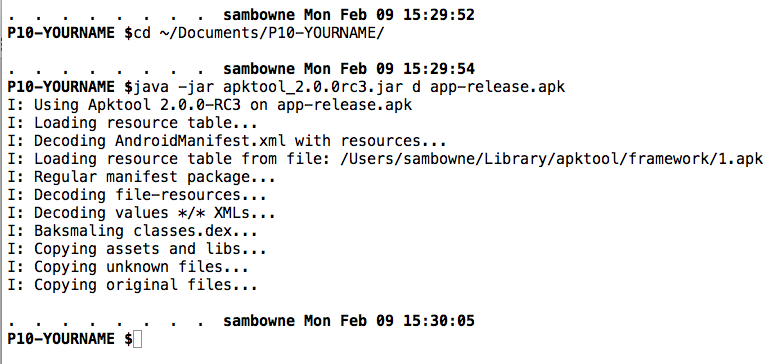
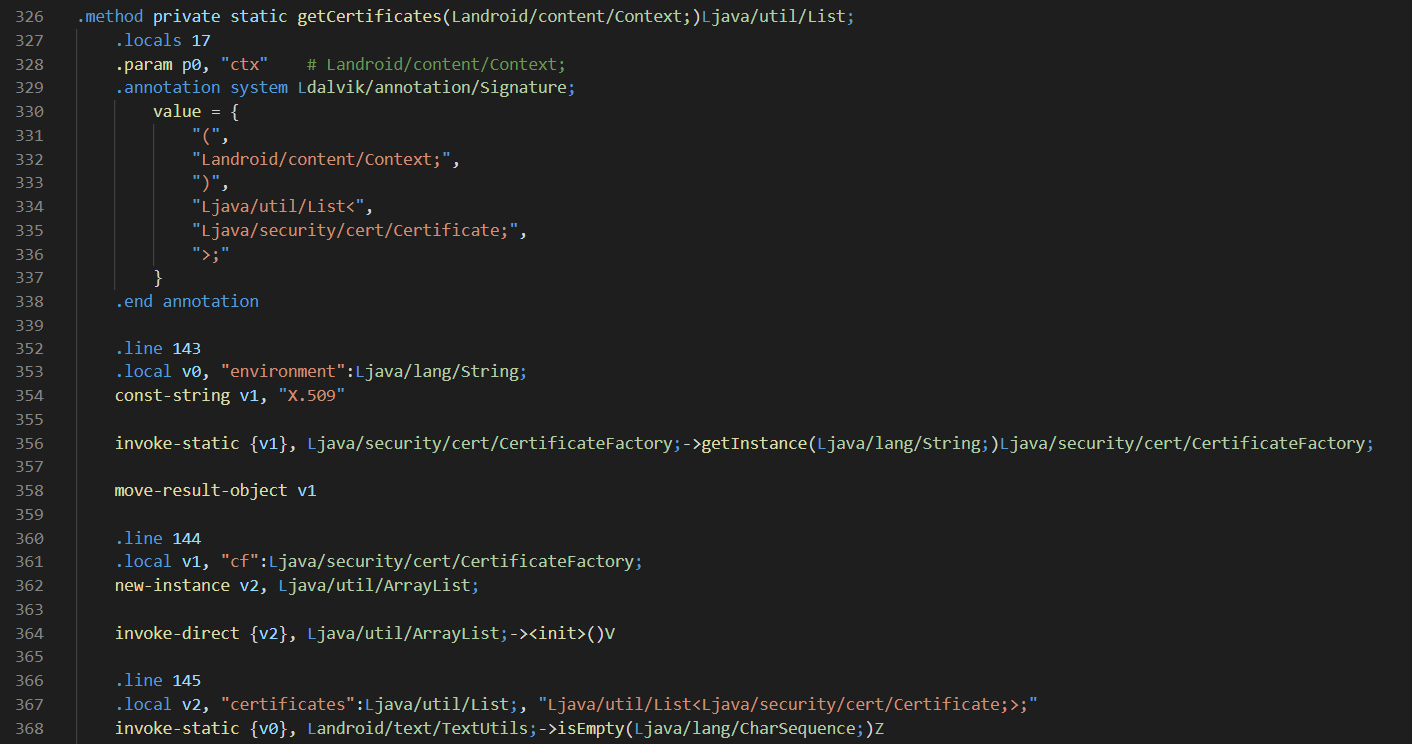
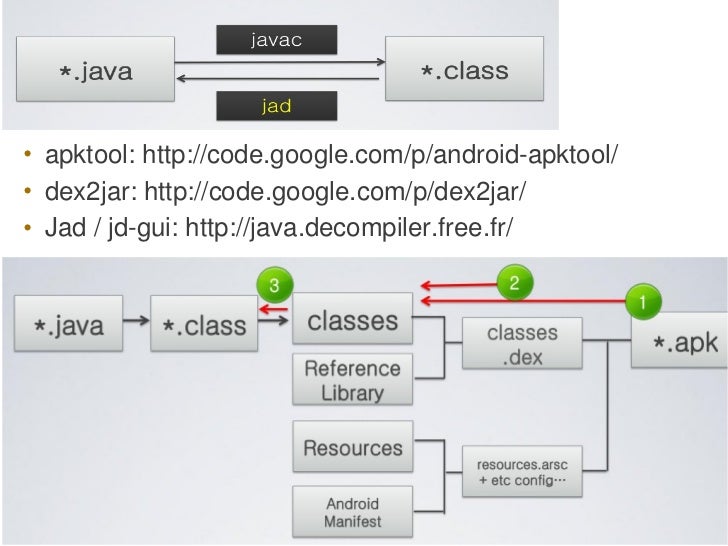
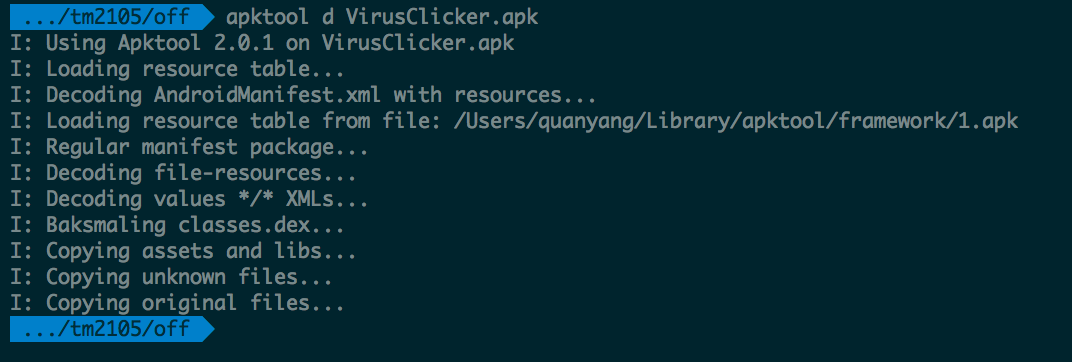
Smali Example
Other injection/infusion codes billed with various types of service
Download get the lead out program grand rapids. Program has made more than 1,350 lead-safe homes in the City of Grand Rapids! For more information on the Get the Lead Out! Program, please call (616) 241-3300 x306 or email info@healthyhomescoalition.org.
CPT Code(s) for Injection/ Infusion | CPT Code(s) for Other Services |
| 20552-20553 | 64405 |
| 64450 | 29125, 54150, 55700 Note: Newborn circumcision is not a benefit of all HMSA plans. Coverage varies by plan. |
| 95125 | 95144-95170 1984 multimedia mr. beckers classroom. Note: Injection is an integral component to these services and may not be separately paid, even if billed with a modifier. |
| 96409 | 96413 |
| 96409, 96413, 96416 | 36000 |
| 96413 | 96409 |
| 96401-96402, 96405-96406, 96409, 96413, 96416, 96420, 96422, 96425 | 96523 Note: Per CPT guidelines, this code should not be reported if an injection or infusion is provided on the same day. This code will not be paid with an injection or infusion code, even if a modifier is appended to one of the codes. |
Smali
Note: The above lists are not all inclusive and are subject to change.
Smali Files
Please be sure to use the most up-to-date industry-standard procedure, revenue, and diagnosis codes from the current CPT ®', HCPCS Level II, and ICD-10-CM manuals, as recommended by the American Medical Association (AMA), the Centers for Medicare & Medicaid Services (CMS), and the American Hospital Association.
Smali Comment
** Codes may not be all inclusive as the AMA and CMS code updates may occur more frequently.